Curiosity Before Commitment: Finding a Skill Worth Exploring
Find a skill worth exploring through a focused, low-pressure trial that shows what the work involves and helps you choose a useful next move.
A short trial can show you what a skill involves before you sign up for a course or reshape your plans. To find a skill worth exploring, look for a question that keeps drawing your attention after the first burst of novelty fades. You do not need to decide whether it belongs in your career; you only need enough information to choose what to try next.
Interest can point in several directions. You might like the idea of animation but dislike adjusting keyframes. You might enjoy cooking videos but prefer learning knife skills to developing recipes. A small, specific trial lets you meet the actual work rather than commit to an imagined version of it.
A skill is worth exploring when the work raises questions
A skill is worth exploring when practicing it raises questions you want to answer. That does not mean every session feels easy or entertaining. It means the task holds your attention enough for you to notice what is happening and wonder how to improve.
Separate three things that often get bundled together:
- The subject: What the skill is about, such as sound, plants, language, or visual design. If the subject interests you, choose an activity within it; if not, try a different subject.
- The activity: What you actually do, such as editing audio, identifying leaves, translating a paragraph, or arranging shapes. If the action appeals to you, try a small version; if not, look for a different activity in the same subject.
- The setting: The conditions in which you practice, such as following a tutorial alone or working with a friend. If the setting gets in the way, change it and try again; if it helps, keep it for the next attempt.
You may be drawn to a subject but not its routine tasks, or enjoy an activity only in a relaxed setting. Naming these differences prevents one disappointing session from becoming a verdict on an entire field.
Choose one activity you can describe in a sentence, not an entire profession. “Make a simple poster in Canva” is easier to try than “become a designer.”
Specific curiosity helps separate interest from novelty
Passing interest often centers on the result or the identity attached to it: a polished song, a clever app, or the idea of being fluent in another language. Curiosity starts to show when your attention shifts toward how the result is made. You begin asking what changes the outcome and want to try an adjustment yourself.
Notice what happens during and after a trial. Do you wonder why a color combination feels balanced? Do you want to hear how a different microphone position changes a recording? Do you catch yourself thinking about the task later? These are useful clues, not tests you must pass.
Difficulty is not automatically a sign to quit. A new tool can feel awkward because its controls are unfamiliar. Frustration also does not need to become a character-building requirement. Ask what is frustrating: the skill, the instructions, the equipment, or pressure to get a polished result. Changing one condition may reveal more than repeating the same unpleasant session.
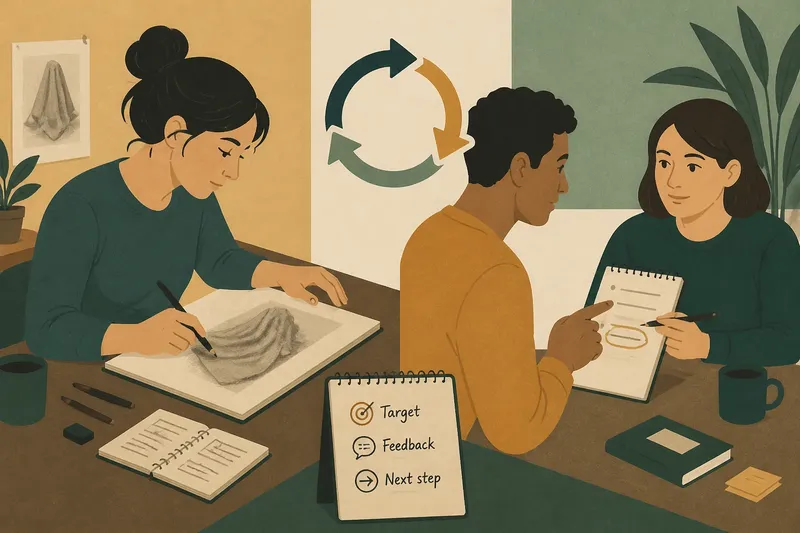
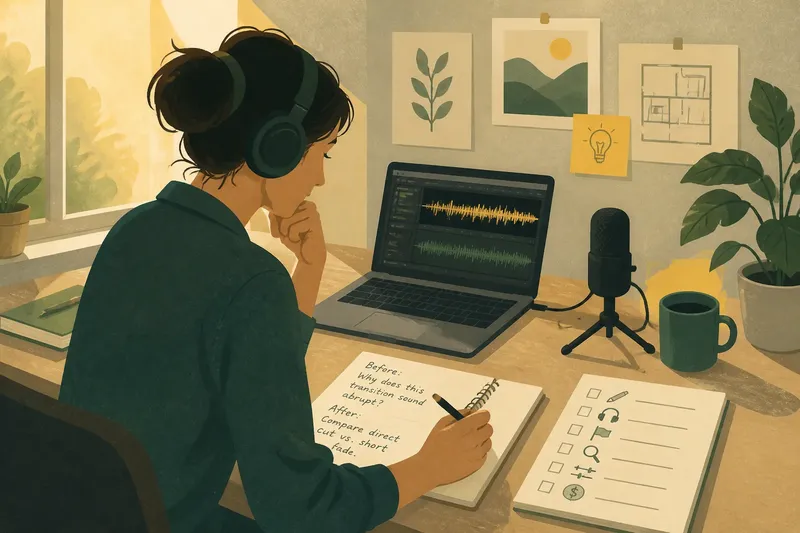
Before you begin, write one question you want to answer. Afterward, note a question that came from what you noticed, such as “Why does this transition sound abrupt?” A specific question is easier to pursue than a vague wish to “get good.”
A focused trial reveals what the skill actually involves
Choose a small task that uses the skill directly and produces something you can inspect. Keep the scope narrow enough to finish without a major purchase, permission you do not have, or a public announcement. The trial should expose you to the process, not recreate a full course or workplace.
Use this checklist to shape the attempt. For each item, check the condition and follow the decision that fits:
- Action: Check that you can name an observable task, such as sketching a household object. If you can, keep it; if you cannot, narrow the task until the action is clear.
- Tools: Check whether materials you already have will work, such as paper and a pencil or a phone’s voice recorder. If they will, use them; if not, choose a simpler task or find an accessible tool before proceeding.
- Finish line: Check that “done” means one inspectable result, such as a labeled sketch or a recording with a clear beginning and end. If the finish line is clear, begin; if it is vague, define a smaller result.
- Point of attention: Check that you know what to notice, such as an interesting decision, a repeated obstacle, or a technique you want to understand. If you do, keep that focus; if not, write one question to guide the attempt.
- Next adjustment: Check that you can name one change for a later try, such as using a different reference image. If you can, save it for the next attempt; if you cannot, finish the first trial before adding new variables.
- Pressure: Check whether the task requires spending money, making a public promise, or producing polished work. If it does, remove that requirement or choose a smaller task; if it does not, proceed with the modest trial.
Imagine you are curious about audio editing but unsure whether you enjoy the work or only like finished podcasts. You have a phone with a voice memo and access to a basic audio editor. Import the memo, trim one pause, and listen back with headphones. If you notice the edit sounds abrupt and want to understand why, your next trial could compare a direct cut with a short fade; if the editing process itself holds no appeal, you can stop or try a different activity related to audio.
Keep the first attempt plain. A small finished result gives you something to learn from, while an ambitious project can bury the skill under planning and perfectionism.
Repeat the task only long enough to learn something new
Try the basic action more than once when a single attempt leaves an important question unanswered. The right stopping point depends on the task: one session may be enough to try arranging a room in a floor-plan app, while an unfamiliar activity with several stages may need a few separate attempts.
Define the finish line in advance. Make one small piece, review it, then repeat the task with one change. After that, decide whether you want another attempt, a different task in the same field, or no further exploration for now.
Pay attention to the quality of your focus, not simply the time spent. Watching tutorials without trying anything may mean you are collecting information rather than meeting the skill. Practicing because stopping feels like failure turns the trial into a test of persistence. Neither pattern clearly tells you how the work feels.
A trial can end without a grand decision. “I like the visual problem-solving, but not the software interface” is useful information. You could try a different tool, explore a related activity, or leave the subject alone.
Change the setup when a first attempt feels awkward
Work out whether the awkwardness comes from the task or from not knowing how to begin. Beginners may spend attention on controls, vocabulary, or instructions before they can experience the core activity. A short demonstration, a simpler tool, or a clearer prompt may remove that friction.
Change one condition at a time so you can tell what helped. If a drawing tutorial moves too quickly, try a still-life prompt with fewer objects rather than switching to an unrelated art form. If a writing exercise feels exposed, draft a private paragraph about an ordinary object instead of sharing it. Keep the part of the task you wanted to explore, but make the setup more manageable.
If the work remains dull after the setup becomes manageable, that is useful information too. You do not owe every interest repeated chances. A skill can be worthwhile in principle and still not suit your tastes, current needs, or available energy.
Write down what you changed and what you noticed. That record helps distinguish “I disliked this skill” from “I disliked this rushed tutorial.”
A new skill does not have to connect to your career
A skill can be worth learning for creative satisfaction, practical use, connection with other people, or simple curiosity. Treating every interest as a career decision can make an ordinary experiment feel high-stakes.
Career relevance may become clearer after you know more about the actual work. If you are curious about facilitation, you could first try leading a short discussion in a familiar group. Then consider whether the preparation, listening, and group dynamics interest you—not just the idea of having a facilitation role.
If the skill connects to work you might pursue, keep exploration separate from promises. An introductory class, a volunteer task, or a conversation with someone in the field can help you understand its demands. Gather information without announcing a career pivot or abandoning other interests.
Let the trial answer the question it was designed to answer. “Do I want to learn more about this activity?” is manageable; “Is this my future?” usually is not.
What should you do when interest changes?
What if I like learning about a skill more than practicing it?
Notice the difference rather than trying to correct it by force. You may prefer a field’s history, ideas, or finished work to its hands-on activity, which can point toward another way to engage with it.
Try one small task that represents the actual practice, then decide whether you want more of that activity or mainly enjoy learning about it. Either preference is valid, but they suggest different next moves.
Should I take a class before I know I like the skill?
A small trial can help you decide what you want from a class. Start with an introductory lesson, a library resource, or a beginner exercise that lets you try the core task before making a longer commitment.
A class may still make sense if structure is what you need to begin. Check that its format and materials suit you, and choose a level that leaves room to explore rather than demanding early specialization.
What if I lose interest after a few sessions?
Review what changed between the first session and the later ones. You may have answered the question that attracted you, encountered a routine you dislike, or chosen a task that was too difficult or repetitive.
You can stop, pause, or change the task. Ending a trial after learning something is different from failing to complete a permanent commitment.
How do I keep a trial from turning into an obligation?
Set a modest finish line and decide in advance that you will review the experience rather than automatically continue. Keep purchases, public promises, and extra projects out of the first trial unless they are genuinely needed to try the skill.
At the end, write one sentence about what you noticed and one about what you might do next. “I want to try another lettering style” is a complete next decision; it need not become a larger plan.
Choose the next move from what you noticed
Choose among three options: repeat the same task with one adjustment, try a nearby activity, or stop for now. Repeat when a specific question remains unanswered. Move sideways when you liked part of the work but want to change its materials, audience, or setting. Stop when you have learned enough to know you do not want more at present.
Imagine you enjoy shaping a short story but feel less interested in writing dialogue. You have drafted a scene and noticed that revising its structure holds your attention more than adding conversation. For your next attempt, revise the scene for clarity and leave the dialogue unchanged. If that work still interests you, keep exploring revision; if not, try another writing task or pause. The result is a more specific decision without a commitment to a career or a larger project.
Keep the decision reversible. To find a skill worth exploring, try a modest piece of the work and follow the question that remains when you are done. Your next move can be another small experiment, a nearby activity, or a deliberate pause.